Piyavit Thongsa-Ard
Independent documentary photographer, photojournalist & visual storyteller
Based between Ubon Ratchathani, Thailand, and Don Khon, Champasak Province, Lao PDR
For Piyavit Thongsa-Ard, a photograph begins with time spent in a place. Working across South and Southeast Asia since the early 2000s, he follows the lives of people navigating migration, conflict, disaster and environmental change.
SELECTED STORIES → FIELDWORK MAP ↗
Listening to People
His stories grow through listening, trust and careful observation. He works closely with communities, allowing their daily lives and the conditions around them to shape the narrative. The focus is on understanding how people live with change, and what it takes to carry on.
His work often follows communities living at the edge of political pressure, economic uncertainty, ecological disruption and survival.
“Documentary photography is about understanding people’s lives and showing the world what is happening around them.”
People, rivers and a changing region
His fieldwork has taken him to Thailand, Laos, Cambodia, Vietnam, Myanmar, India, Pakistan, Nepal and the Philippines. His photographs explore human rights, labor, gender, political change and the consequences of development through the experiences of people who live with them.
Long-term bodies of work include brick kiln labor in Bihar and illness and abandonment in Kalighat; communities recovering after Typhoon Haiyan and the Nepal earthquake; fishing families on Cambodia’s Tonle Sap; and the impact of economic decline and hydropower development in Laos.
At Kalighat, Kolkata, faith, poverty, illness and abandonment exist side by side. The work asks what happens to human dignity when people are left at the margins of society. In Bihar, harsh working conditions and informal labor shape the lives and futures of brick kiln workers.
On Cambodia’s Tonle Sap, seasonal water cycles, poverty, illegal fishing and changing environmental conditions shape daily life. In Laos, inflation, currency instability and rising costs reshape daily survival. These stories follow people whose choices are closely tied to the environments and economies around them.
In southern Laos, his attention returns to the Lower Mekong: Siphandone, the Khone Falls, Li fishing, migratory fish and Irrawaddy dolphins. Here, traditional river knowledge, livelihoods and ecological change are closely connected.
His river work explores the relationship between traditional ecological knowledge, food security, conservation pressure, hydropower development and the future of migratory fish in the Lower Mekong.
Published work & collaborations
His photographs have been commissioned, published, exhibited or used by editorial outlets and international organizations. Work with UN Women has supported regional and global advocacy on women migrant workers, gender equality, disaster recovery, peace and security, and environmental justice.
His images have appeared in institutional publications, exhibitions, campaign materials and research connected to migration, labor, crisis, climate-related vulnerability and communities affected by unsustainable development.
Selected clients, publications and institutional uses include GEO Germany, Sarakadee Magazine, Neue Zürcher Zeitung, BBC Thai, The Irrawaddy, UN Women, World Food Programme, World Health Organization, GIZ, Stockholm Environment Institute, Demotix and Corbis Images.
Exhibitions
His work has been exhibited at the Foreign Correspondents’ Club of Thailand (FCCT) and Alliance Française Chiang Mai, and in UN Women-supported exhibitions on women migrant workers in Southeast Asia.
Selected Stories
Explore the places and people behind the photographs.
Piyavit Thongsa-Ard / Fieldwork
ACROSS SOUTH AND SOUTHEAST ASIA
Two decades of documentary work across nine countries, exploring people’s lives, their environments and the forces shaping them.
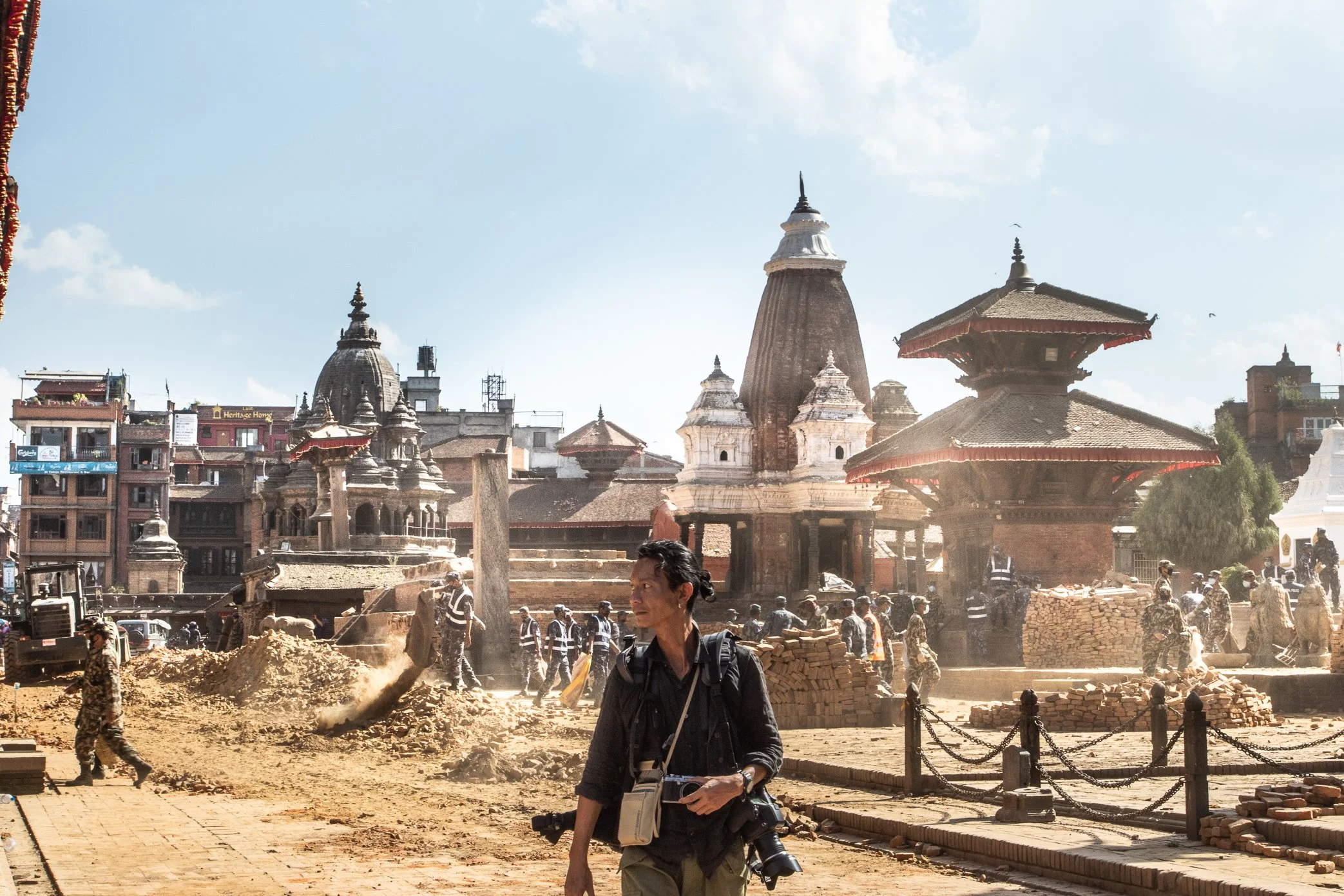
Photographer: Piyavit Thongsa-Ard

The Philippines: Life After Typhoon Haiyan

Kalighat: At the Edge of Being Seen - India, 2003
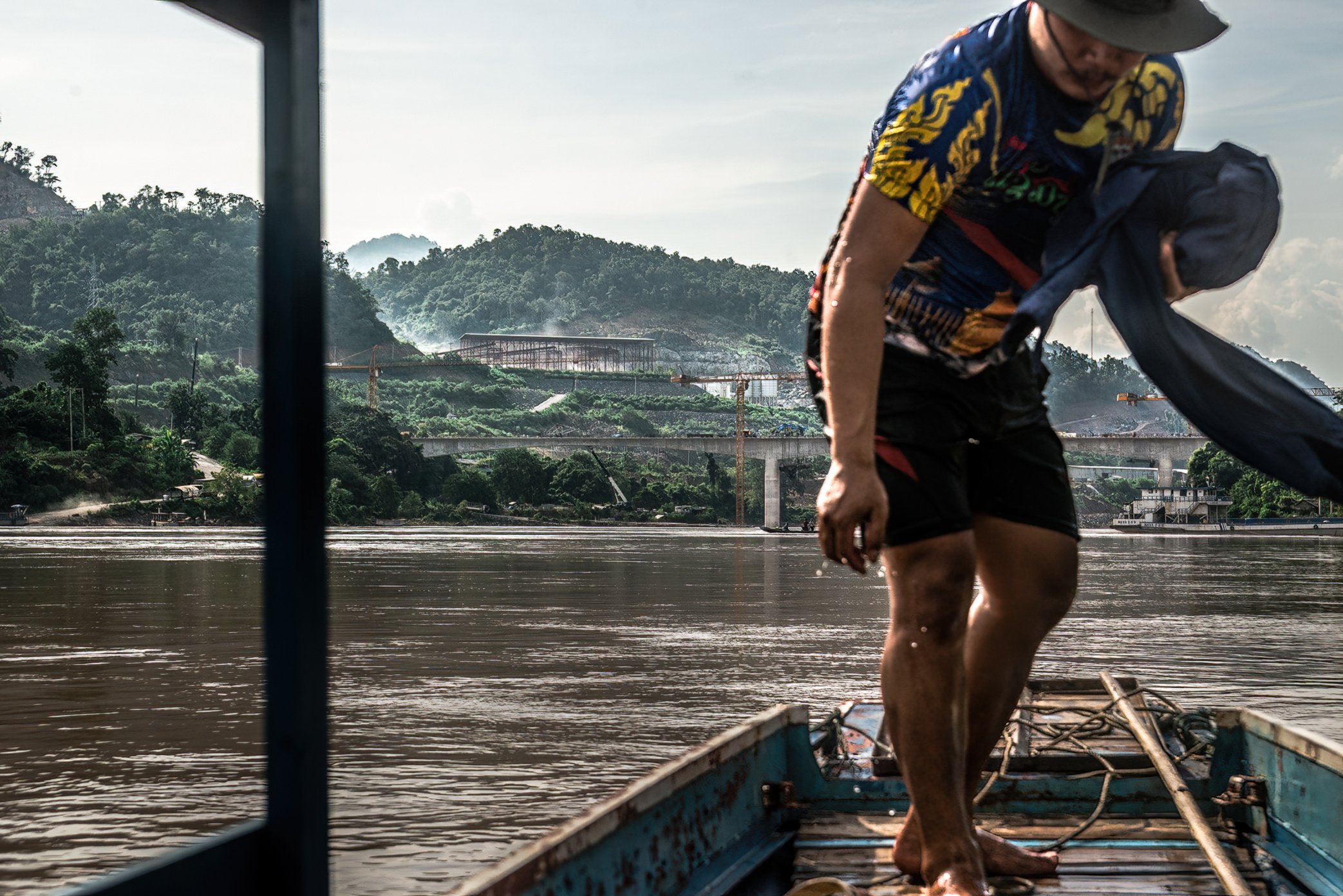
Luang Prabang in the Shadow of a Dam: A World Heritage City at the Crossroads of Energy, Culture, and the Mekong
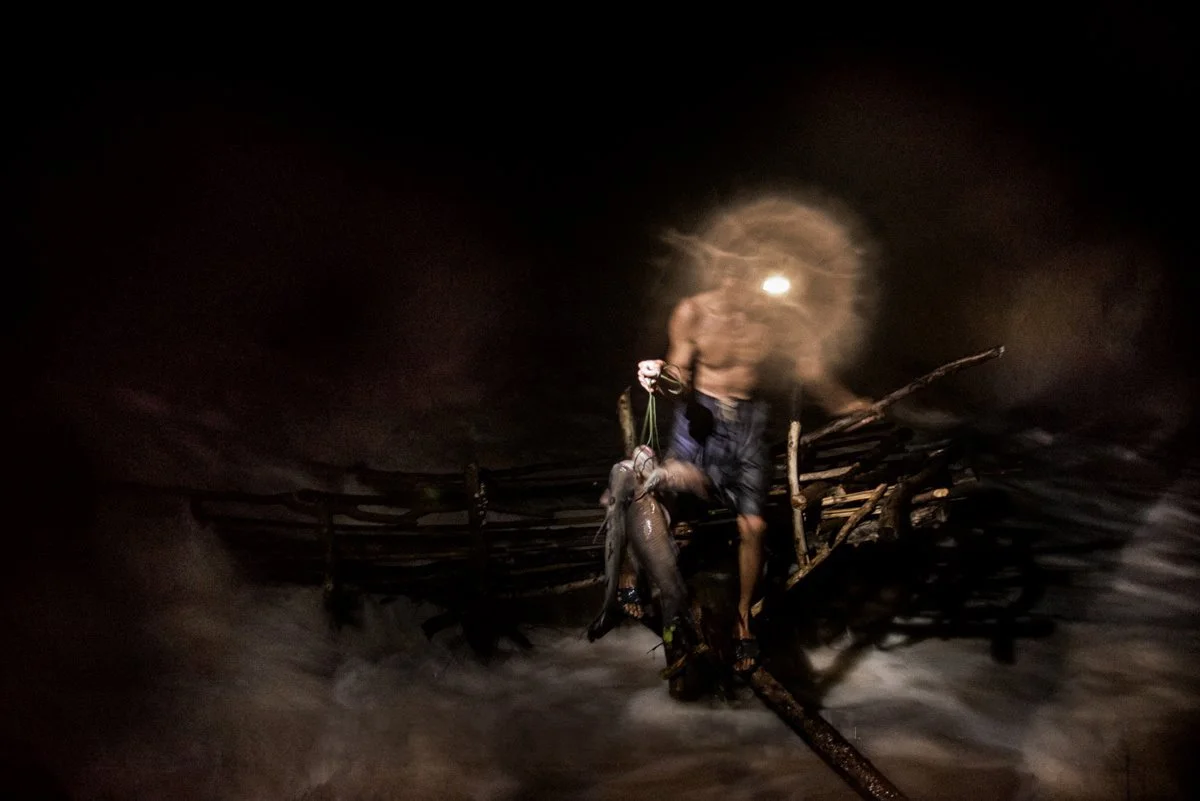
Between Survival and Passage - Li Fishing and the Future of Migratory Fish in Siphandone, Southern Laos

Cambodia’s Water Worlds - Fishing, Family, and Displacement
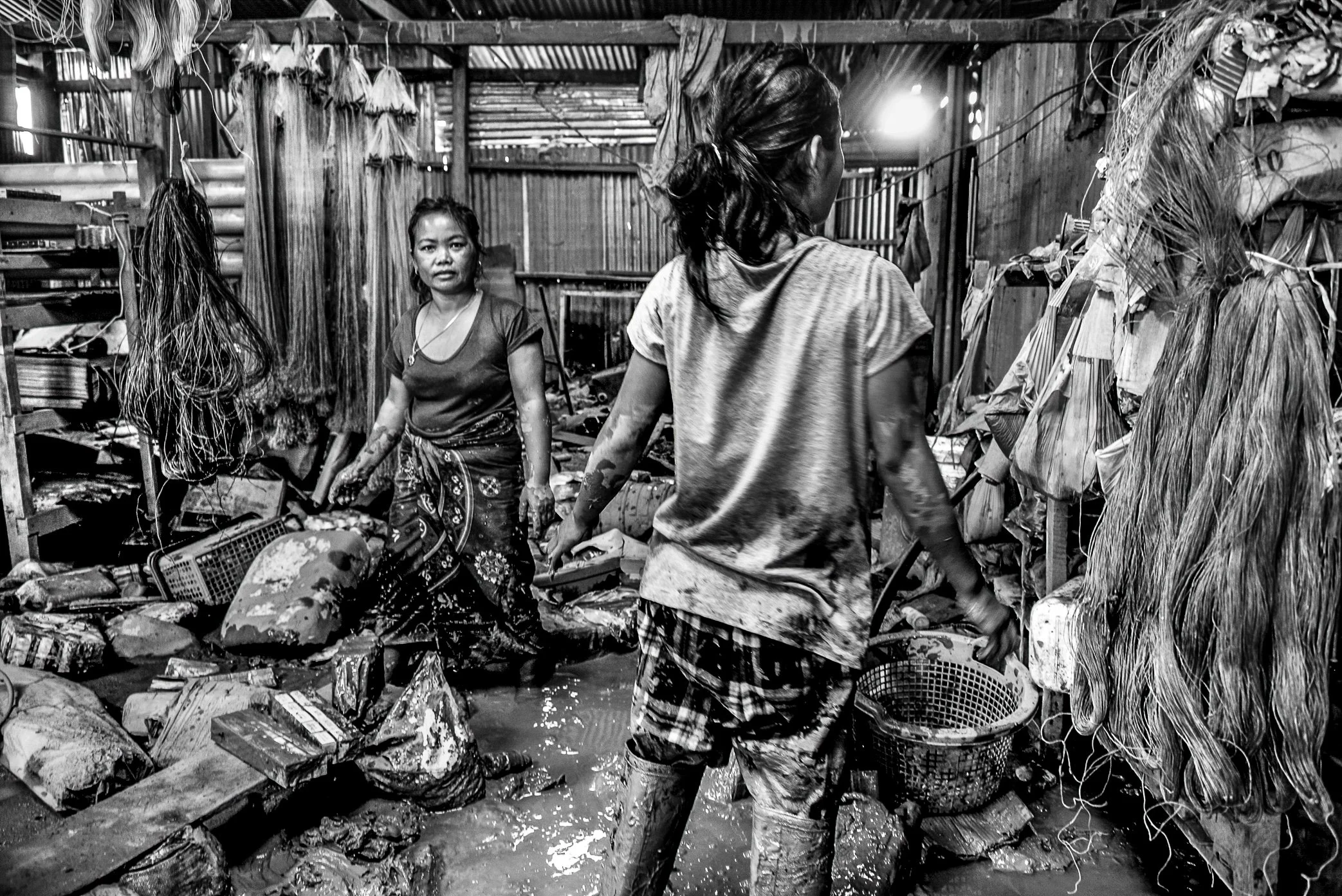
When the Water Came: After the Xe Pian Dam Collapse

The Road That Disturbed a Ceasefire

Bihar: Beneath the Kiln Smoke - India 2003

After the Earthquake: Life in Nepal

Laos: The Price of a Falling Kip