The Road That Disturbed a Ceasefire
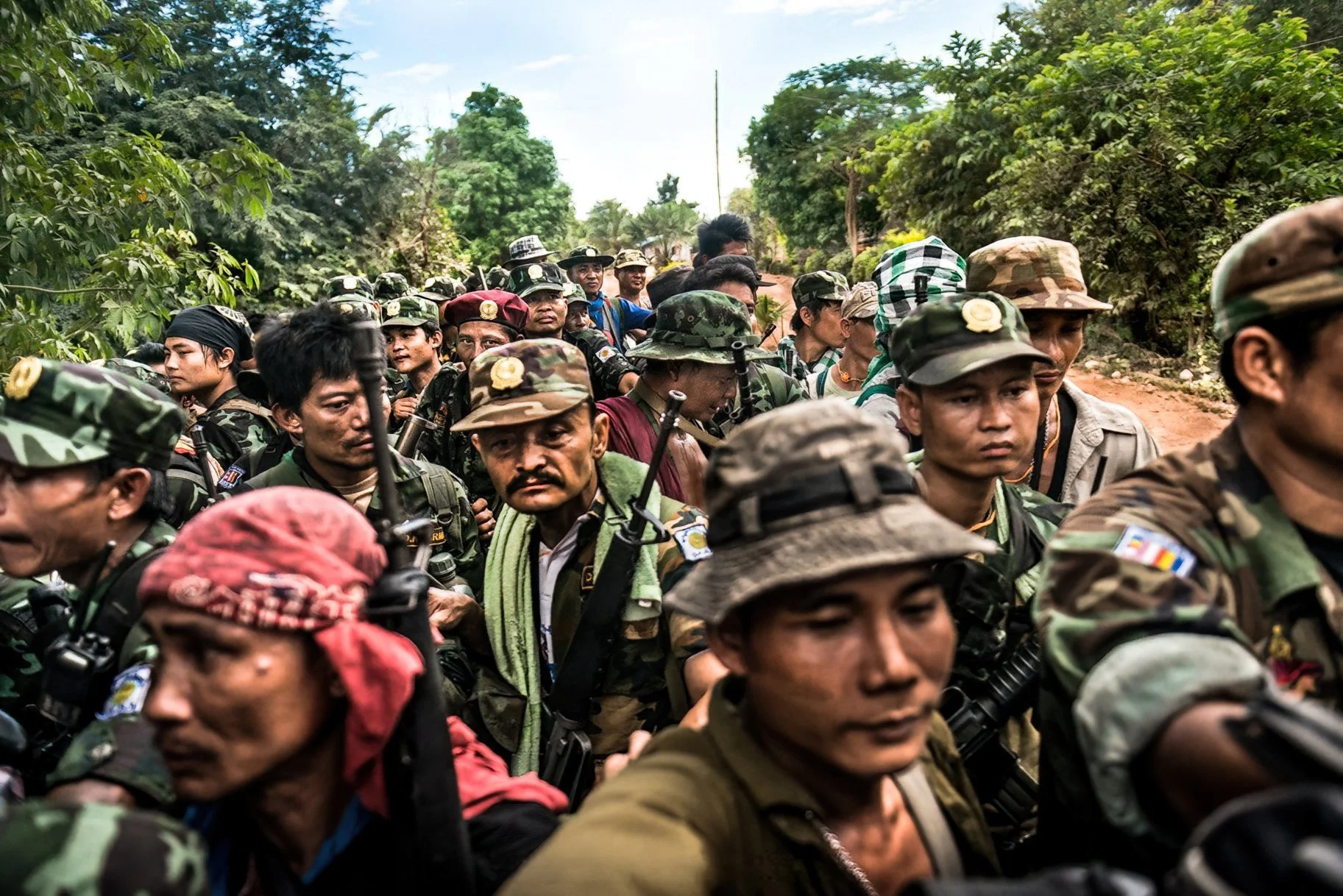
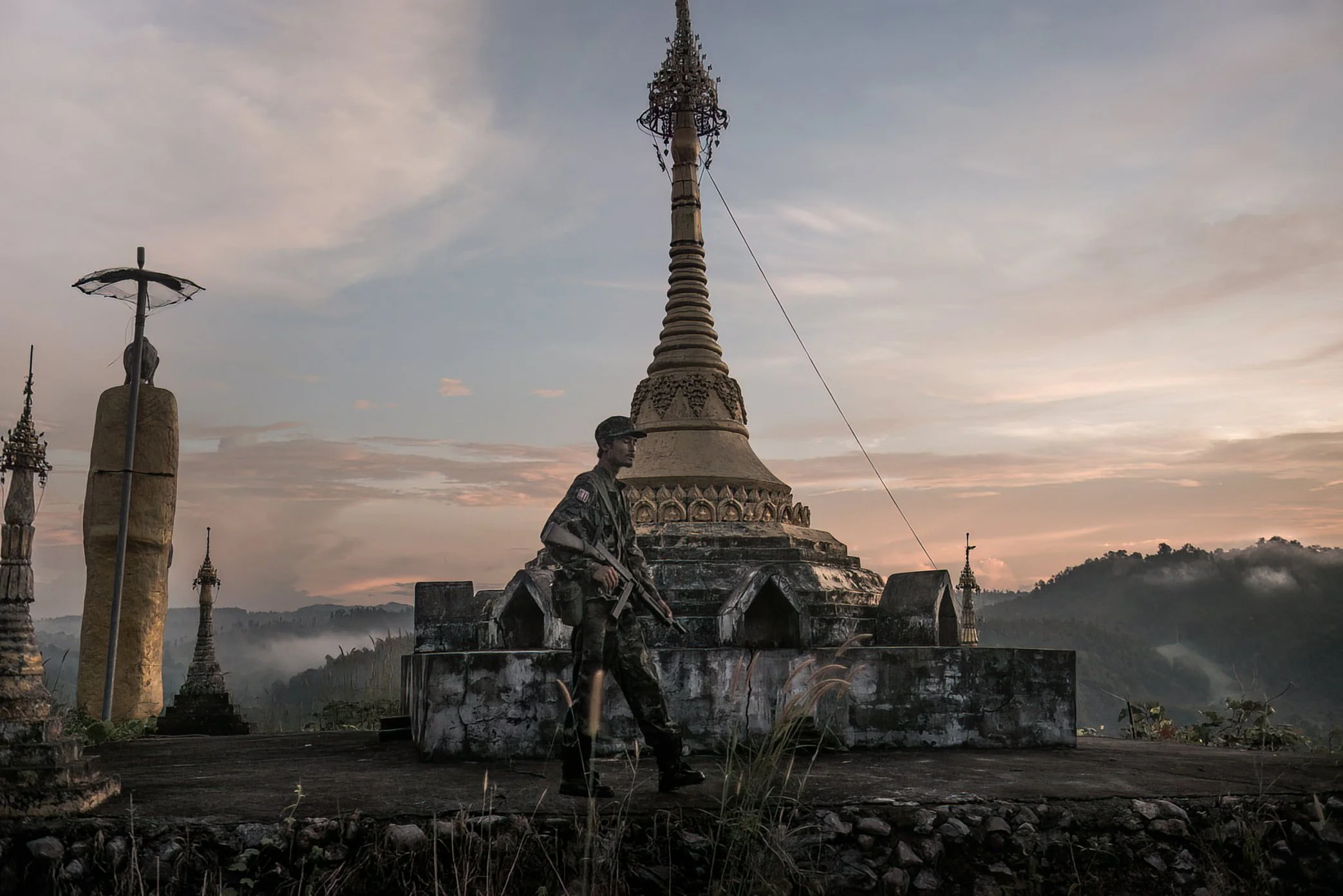
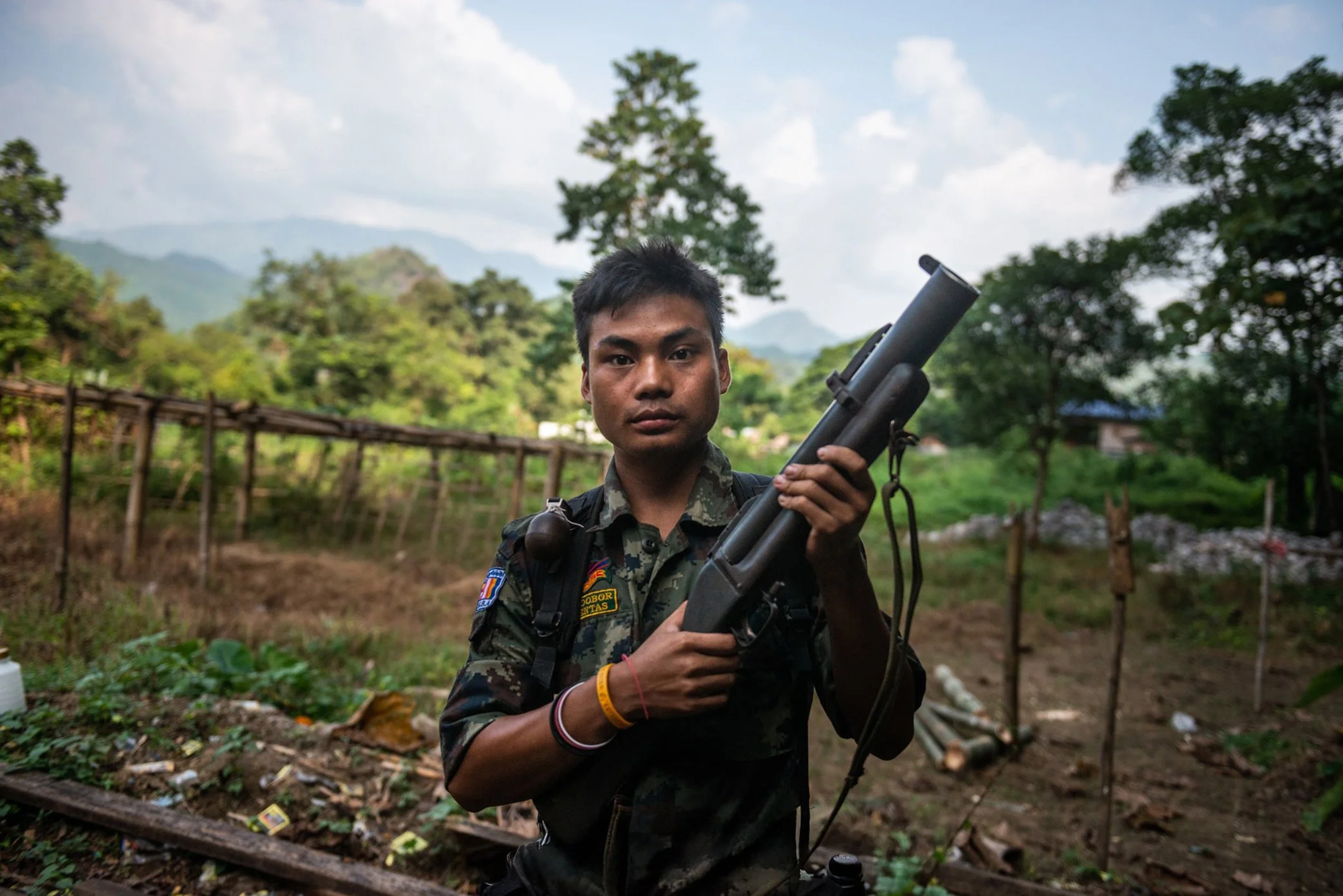
Years ago, while working along the Thai–Burma border in Mae Sot, I began hearing reports from the Burma side that the ceasefire between the DKBA and the Burma Army was beginning to fracture.
At the center of the tension was the construction of the Asian Highway through “contested Karen territory” between Myawaddy and Kawkareik - an area where DKBA forces still maintained positions and influence, while the Burma Army and allied forces were seeking to secure the route.
To governments and traders, the road promised development, cross-border commerce, and regional connectivity. But to armed groups and many villagers living along its path, it represented something far more dangerous: the expansion of Burma Army control into territory where no lasting political settlement had yet been reached.
By 2015, fighting had broken out along the newly built highway. Reports from Karen civil society groups and human rights monitors described armed clashes, displacement, land concerns, and growing fear among civilians.
The road had become more than infrastructure.
It had become “a fault line between development and unresolved war.”
ALL STORIES & BIO → NEXT: LUANG PRABANG IN THE SHADOW OF A DAM →