Oil-Lamp Fishing: Under the Night on Tonle Sap
Reaching the oil-lamp fishing grounds of Tonle Sap was not easy. It took months of waiting, listening, and earning enough trust to move quietly within this world. In Siem Reap, access depended not only on patience, but on the work of Cambodian fixers who understood the lake, the people, and the risks. For a photojournalist, people like them are often the only reason hidden places such as this can be reached at all.
After dark, the fishermen begin to move. Each boat carries dozens - sometimes hundreds - of kerosene lamps into the darkness. The flames draw insects toward the water; the insects fall; and fish gather beneath the glow. Before dawn, or when experience tells them enough fish have concentrated below the lamps, the fishermen move in with specially adapted nets and lift the catch from the black water.
Tonle Sap has long supported one of the world’s richest inland fisheries. Its fishing practices are shaped by flood cycles, fish migration, local knowledge, and the daily pressure of survival. For many families, the lake is not an idea of nature. It is food, debt, work, risk, and the next morning’s income.
But this is not only a story about night fishing. It is also part of a wider pressure on a lake already under strain. As the lamps drift for hours, kerosene leaks slowly into the water, repeated by dozens of boats across the night. Alongside concerns over declining fish stocks, overfishing, and the capture of juvenile fish, the glow of each lamp carries both necessity and damage.
The work of a photographer is not to judge from a distance, but to witness what is there: the skill of the fishermen, the desperation behind the work, and the environmental cost flickering beneath each small flame. Most importantly, it asks a quieter question: how to be there - close enough to understand, but careful enough not to take more than the story allows.
I began making these photographs during a GIZ assignment on the Mekong region and continued the work beyond the commission.
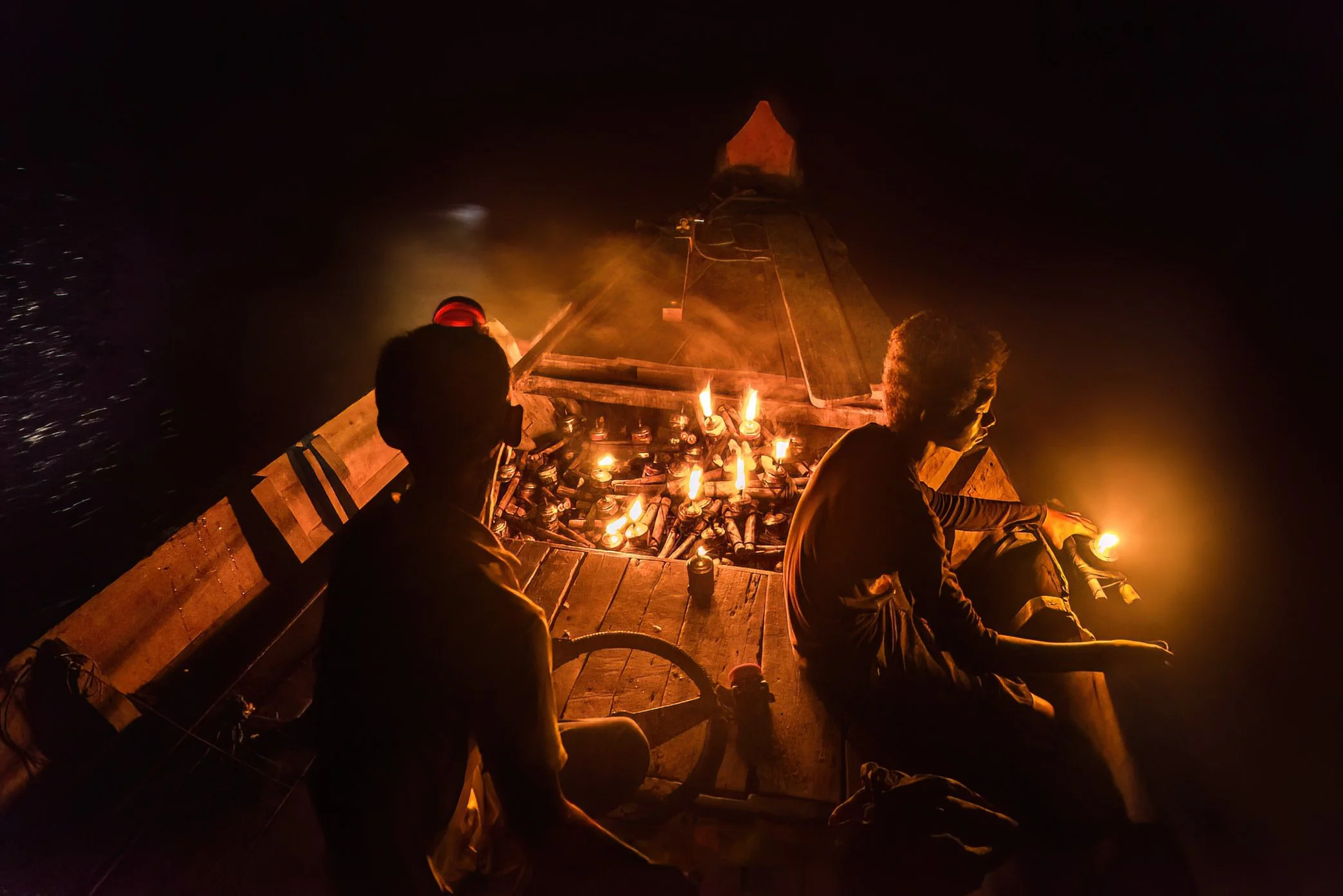
Tonle Sap, Cambodia - Fishermen travel into the vast darkness of the Tonle Sap to set oil lamps across their fishing ground. A single boat may carry hundreds of kerosene lamps - enough flame and fuel to make each night a risk of fire, leakage, and accident on the water. Though this method is illegal, many fishing families continue to use it under the pressure of survival, working between danger, law, and the need to bring home a catch before dawn.
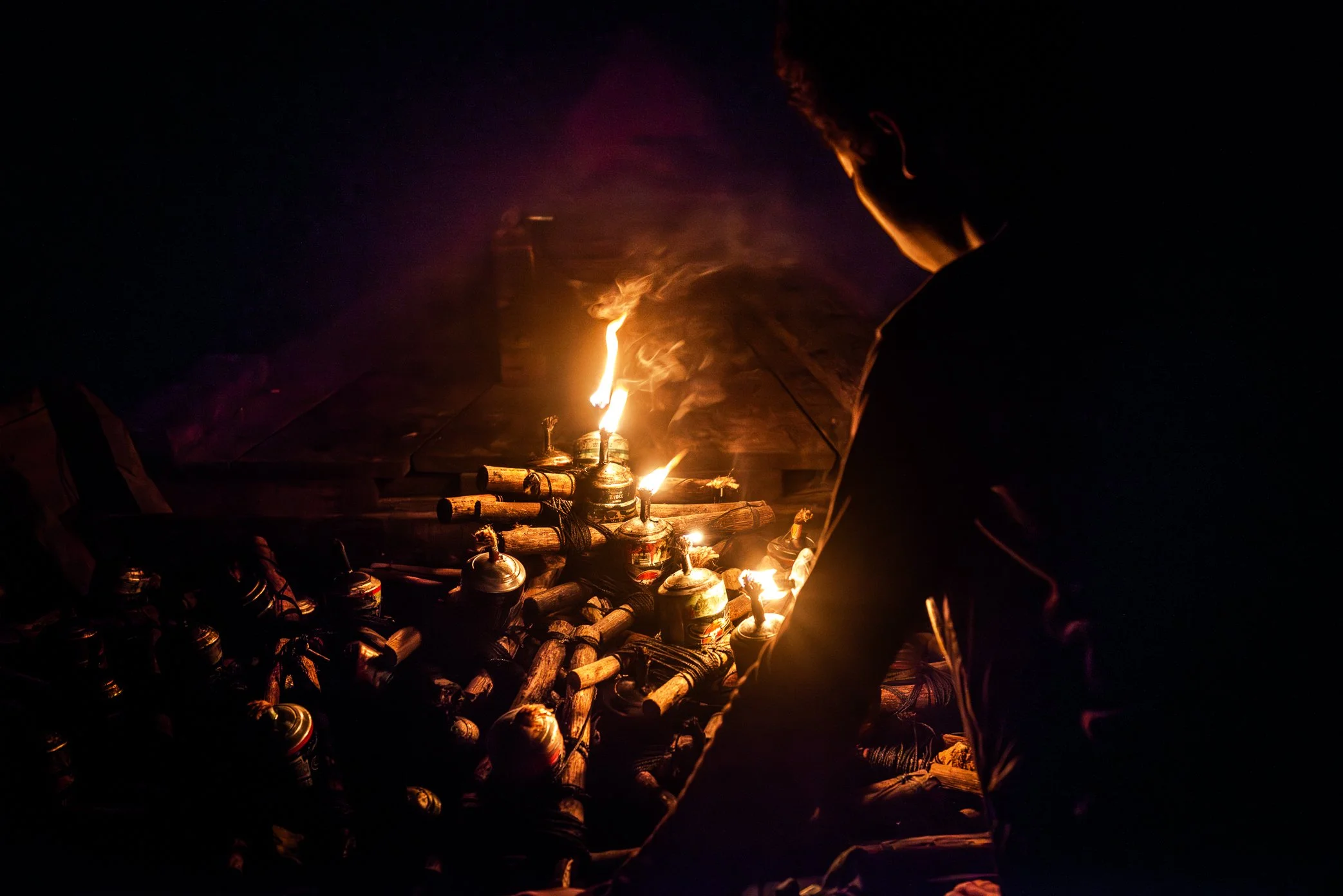
Tonle Sap, Cambodia - A fisherman prepares kerosene lamps before setting them across the dark water of the Tonle Sap. Each flame is used to draw insects, and with them, fish rising from below. On nights like this, the boat becomes both workplace and risk - crowded with fire, fuel, nets, and the pressure to catch enough before dawn.
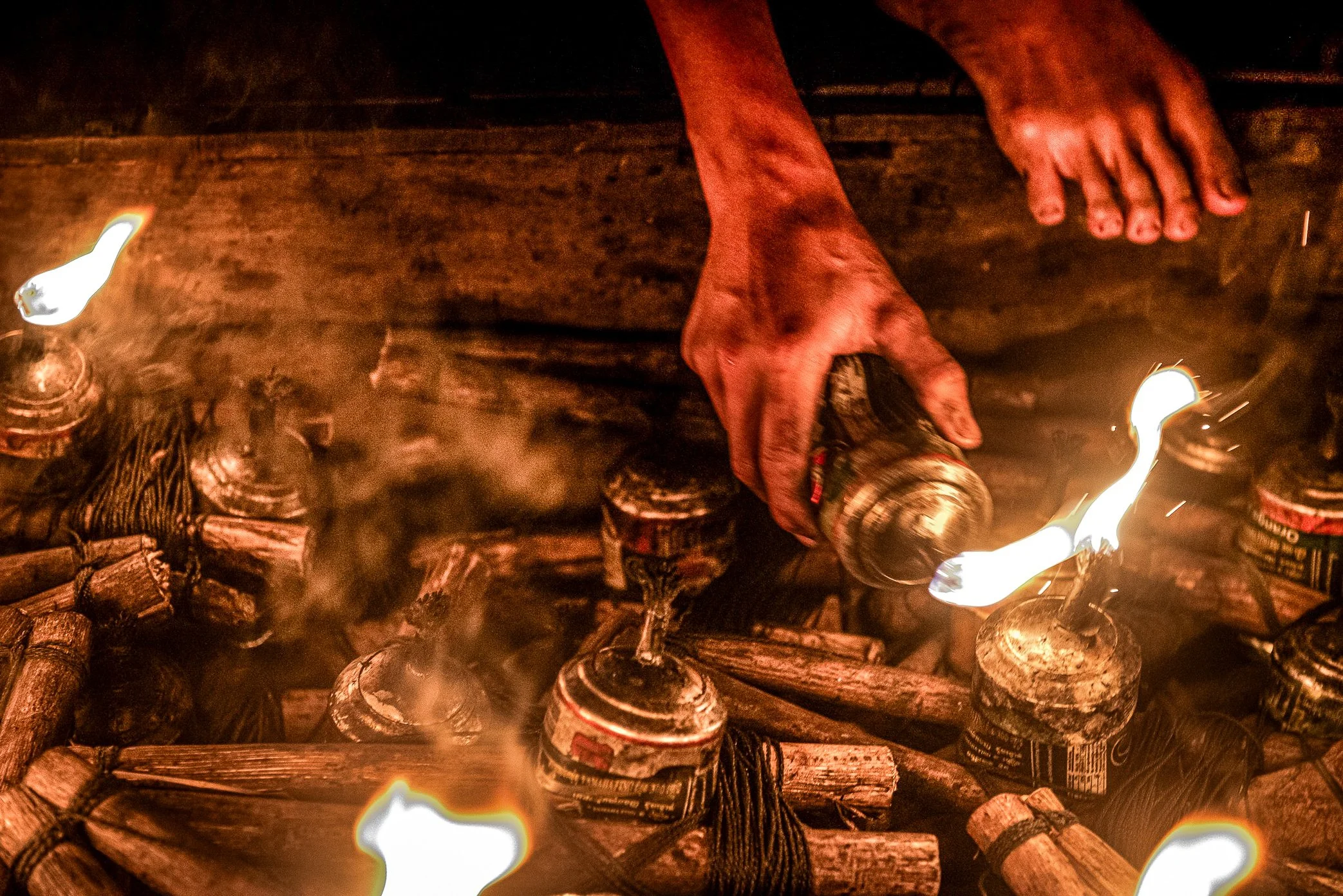
Tonle Sap, Cambodia - A fisherman fills oil lamps used to attract fish during night fishing on the Tonle Sap. Each lamp burns kerosene, casting light across the dark water to draw insects and fish toward the boat. But every night, dozens of boats using this method release leaking fuel into the lake. What helps one family make a catch also leaves a quieter damage behind - oil spreading into the water that sustains both fish and people.
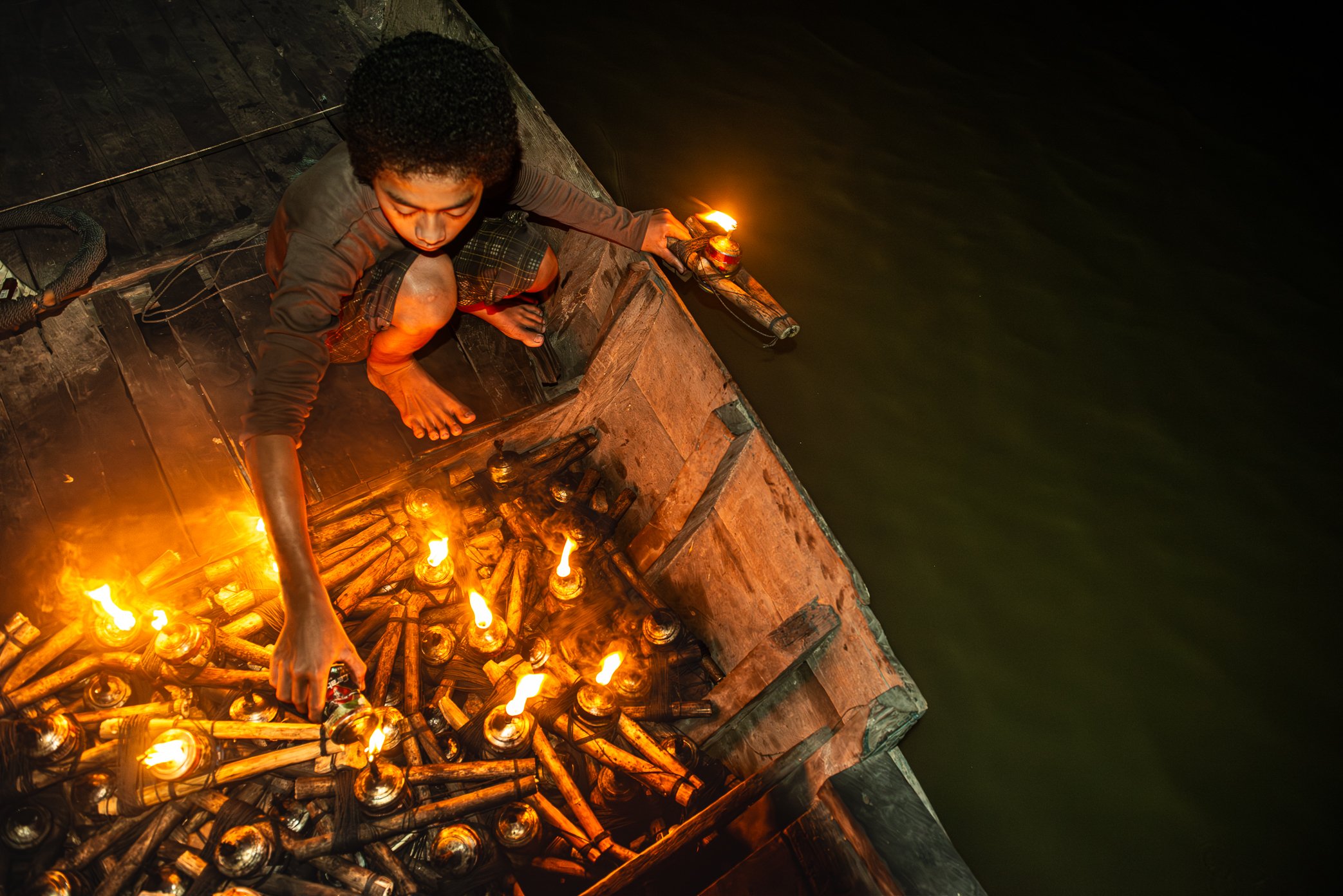
Tonle Sap, Cambodia - The boat owner’s son prepares to set a kerosene lamp onto the dark water of the Tonle Sap. Each flame is part of a night-fishing method used to draw insects and fish toward the boat. For families who live from the lake, children often learn the work early - handling fire, fuel, and risk in a place where survival is measured by what can be caught before dawn.
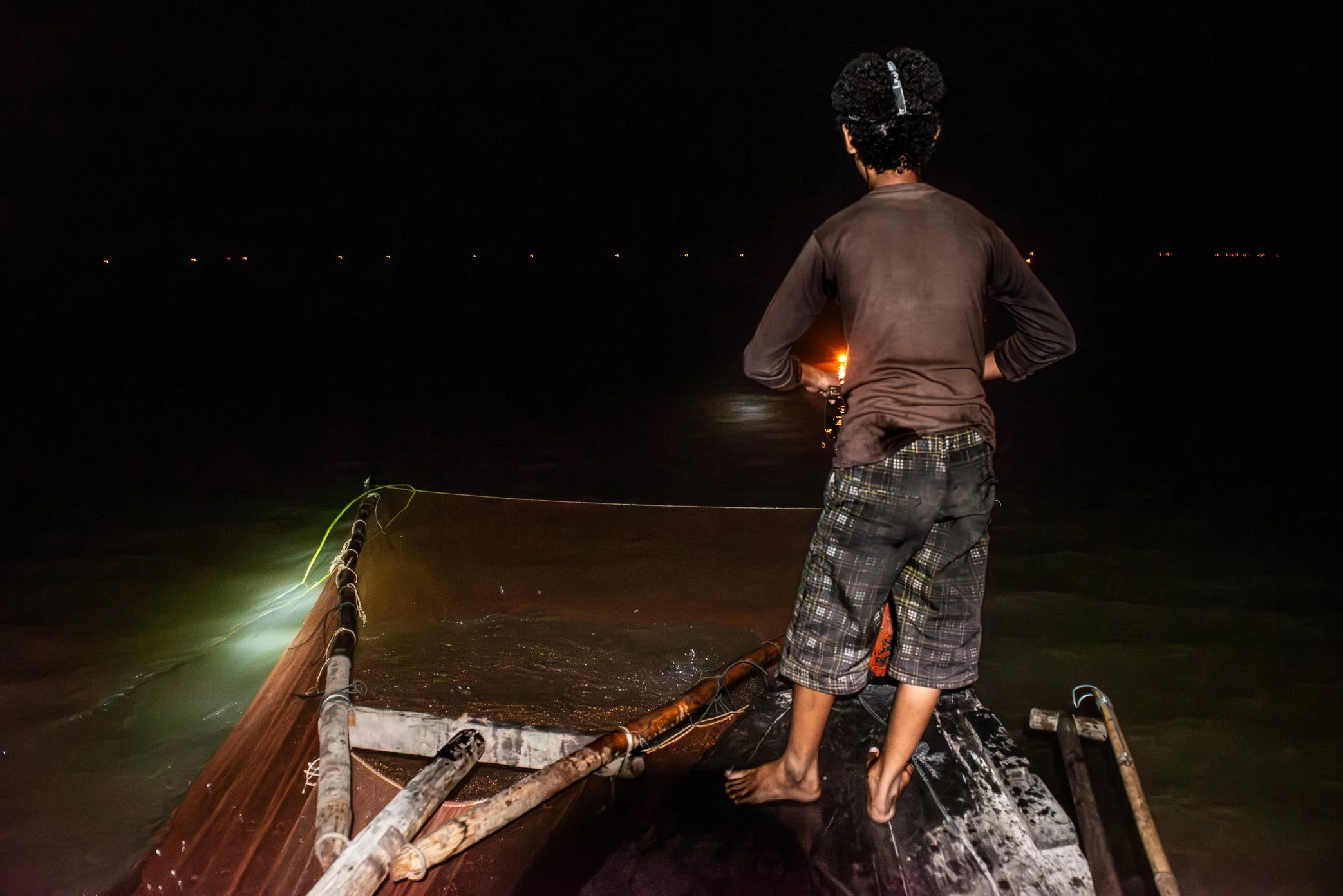
Tonle Sap, Cambodia - When the time comes, fishermen move from lamp to lamp across the dark water. A large scoop net, built onto the front of the boat and adapted for this method, is lowered beneath each kerosene flame. One person stands at the bow to pull the lamp away before the fire burns the net, while others lift the fish gathered below. The small lights scattered across the water mark each lamp they have set - each one a point to return to, scoop beneath, and empty before moving on through the night.
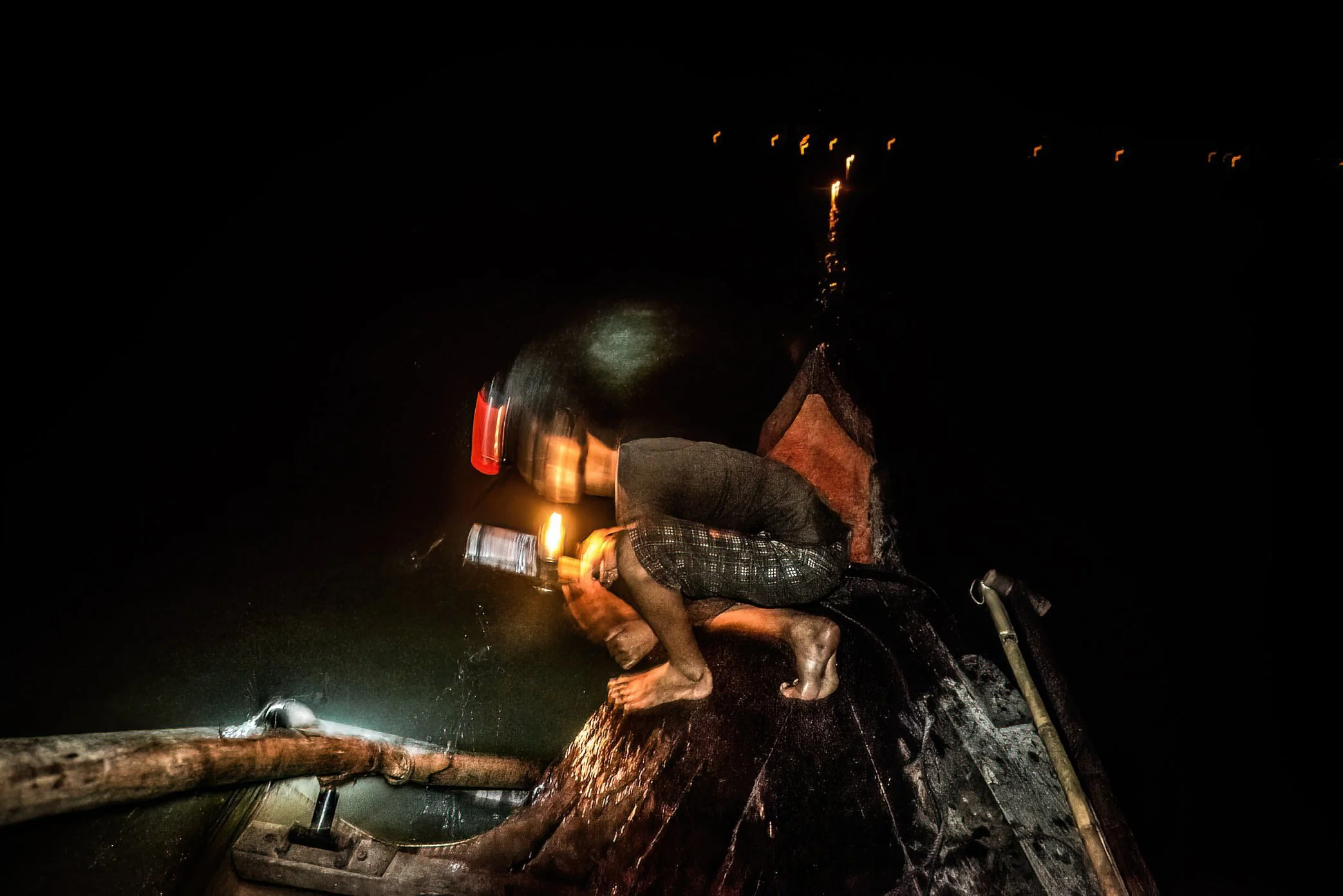
Tonle Sap, Cambodia - After dark, fishermen set out across the Tonle Sap carrying dozens - sometimes hundreds - of kerosene lamps. The flames draw insects toward the water; as they fall, fish gather beneath the light. Before dawn, or when experience tells them the fish have gathered in enough numbers, the fishermen lower a special net into the darkness and lift the night’s catch from below.
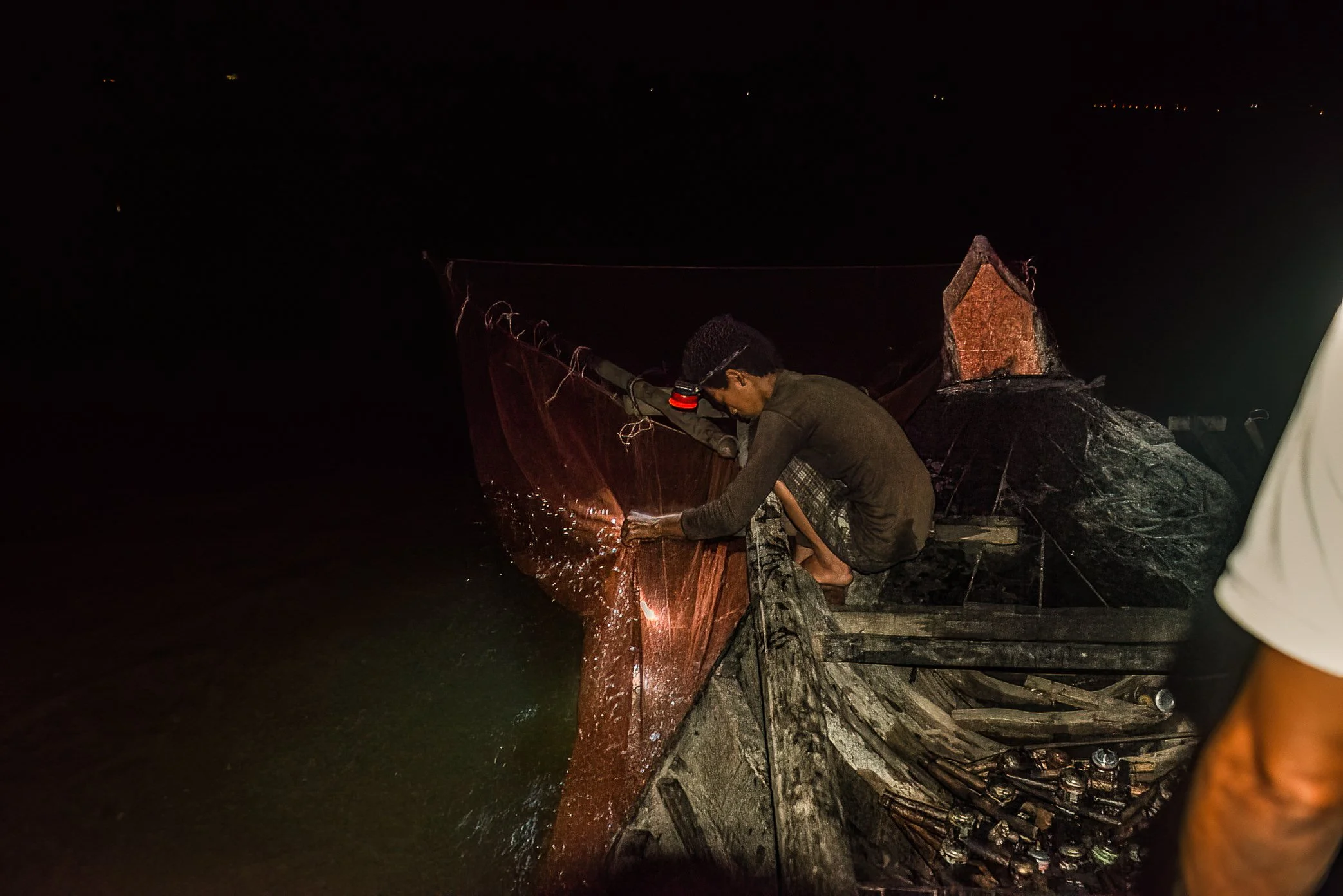
Tonle Sap, Cambodia - All night, the work repeats: lift the lamp, gather the fish, reset the net, move toward the next flame. On Tonle Sap, oil-lamp fishing is illegal, but it is also part of a harsher reality - a lake under pressure, fish stocks in decline, and families trying to survive in a place where the water once seemed inexhaustible.
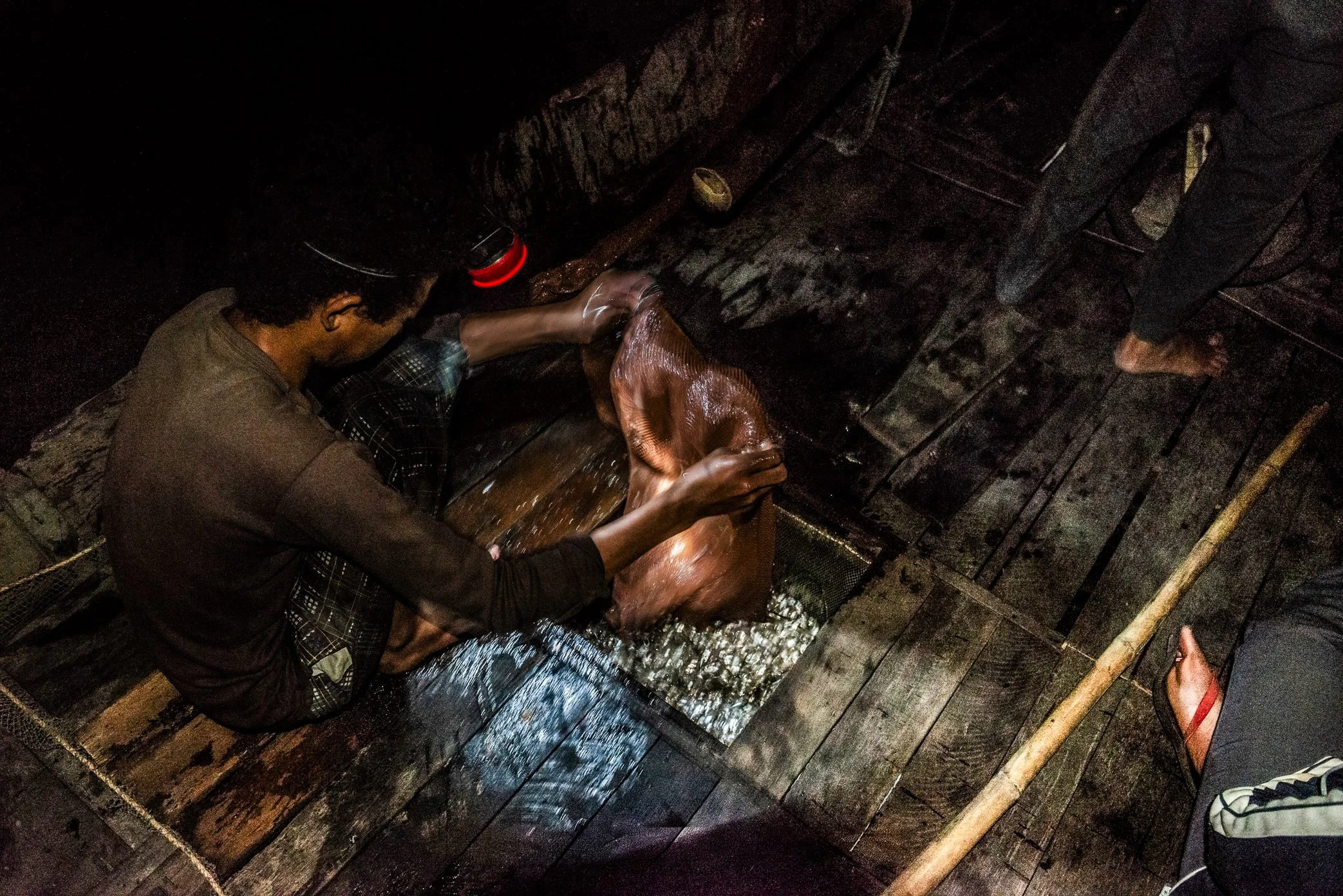
Tonle Sap, Cambodia - A fisherman empties a night catch of small fish into the storage hold beneath his boat. Drawn toward the glow of oil lamps, many of the fish caught this way are juveniles - part of the lake’s future stock before they have time to mature. The Tonle Sap’s flooded forests normally provide food and shelter for larvae and young fish, but heavy fishing pressure, habitat loss, and declining fish populations have made that cycle increasingly fragile. Each night’s catch becomes both a livelihood and a warning: the lake is being asked to give faster than it can renew itself.
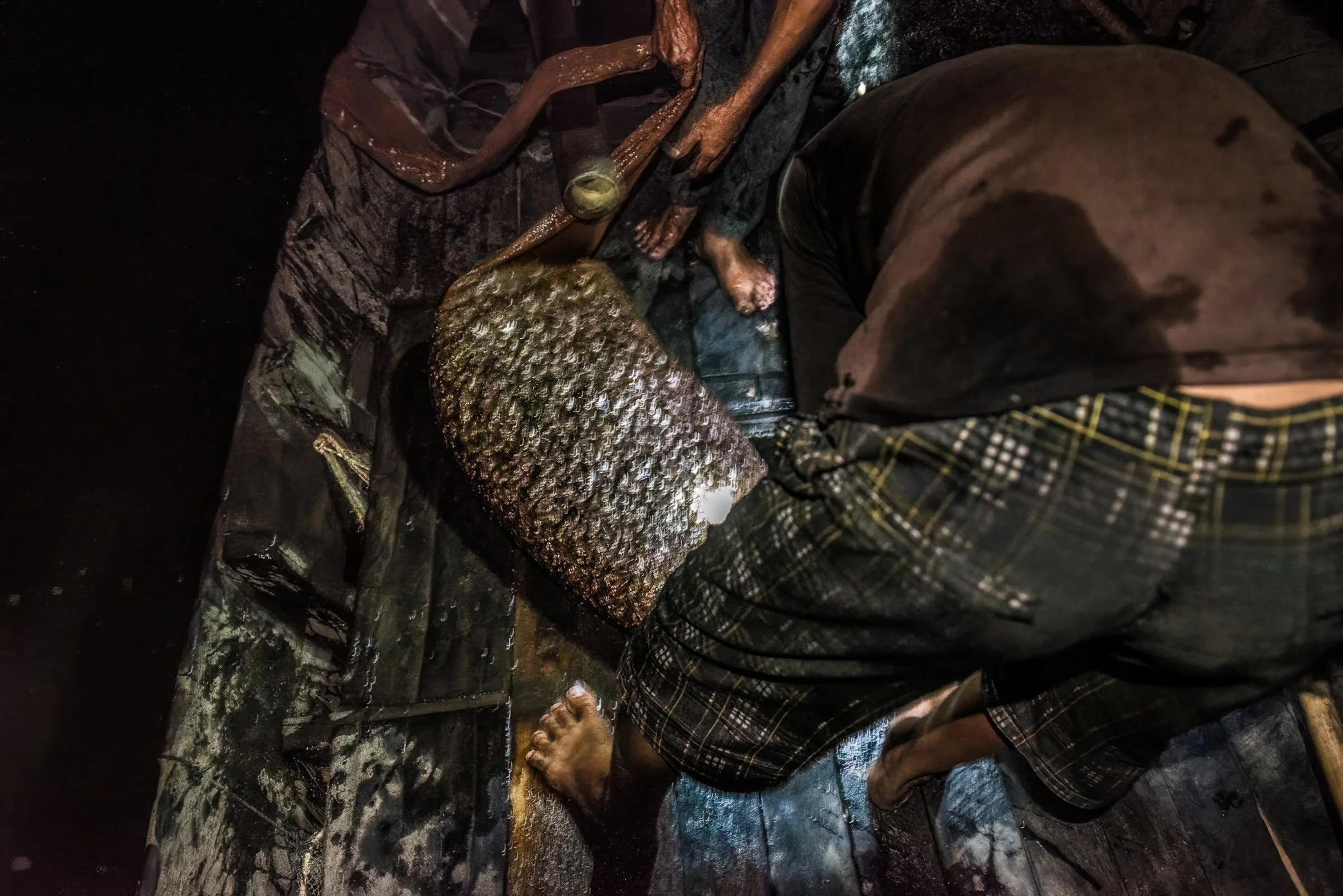
Tonle Sap, Cambodia - A boat owner gathers fish from one round of night fishing on the Tonle Sap. Through the darkness, the catch is collected again and again, each haul stored beneath the wooden deck before the boat returns to the water. For fishing families, the night is measured in repeated labor - lamp light, nets, small fish, and the pressure to bring home enough before dawn.
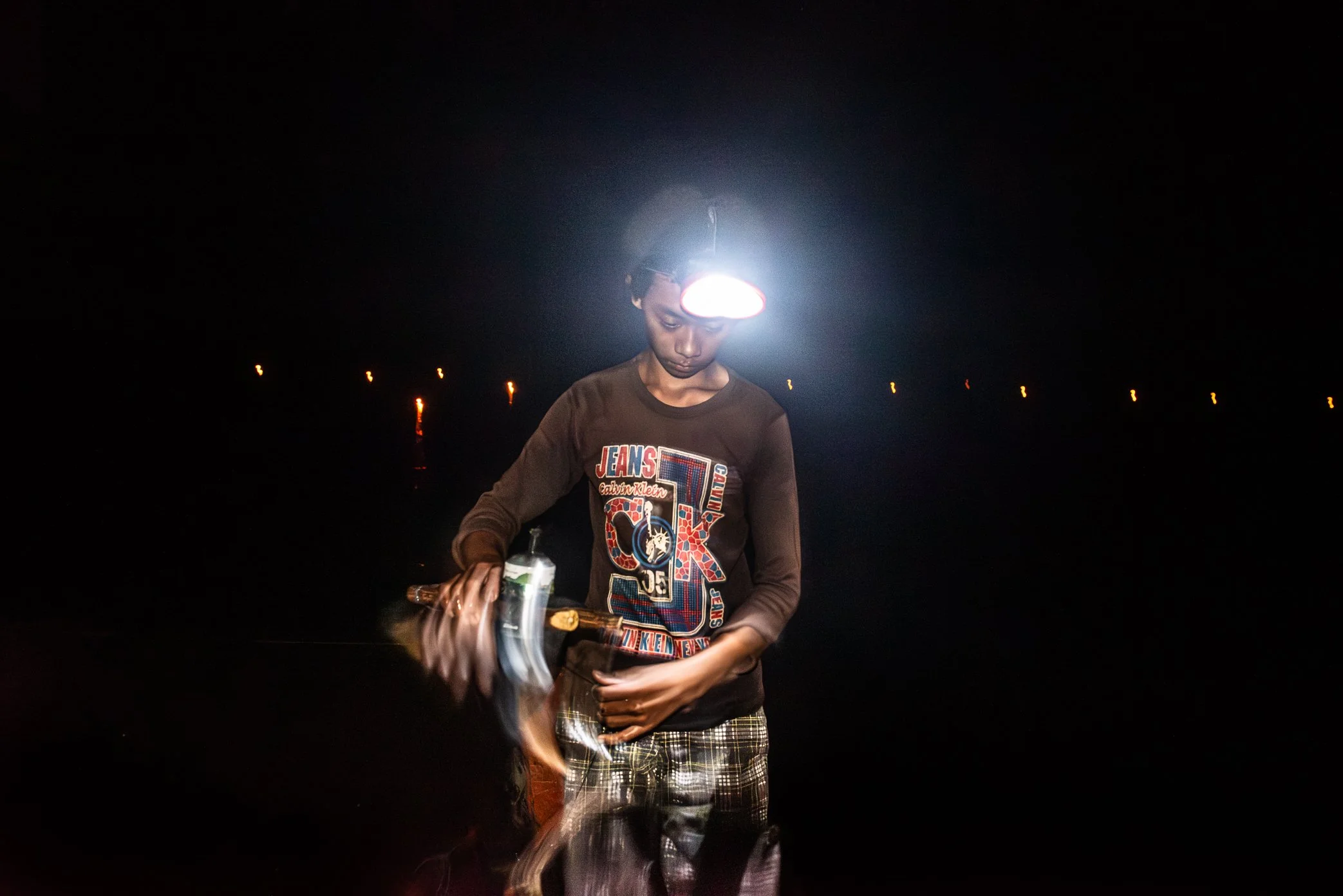
Tonle Sap, Cambodia - After the lamp is lifted from the water, it must be handled carefully before the boat moves on to the next light. Across the dark surface of Tonle Sap, these scattered flames mark both a fishing method and a deeper pressure - the struggle to survive on a lake where abundance is no longer guaranteed.
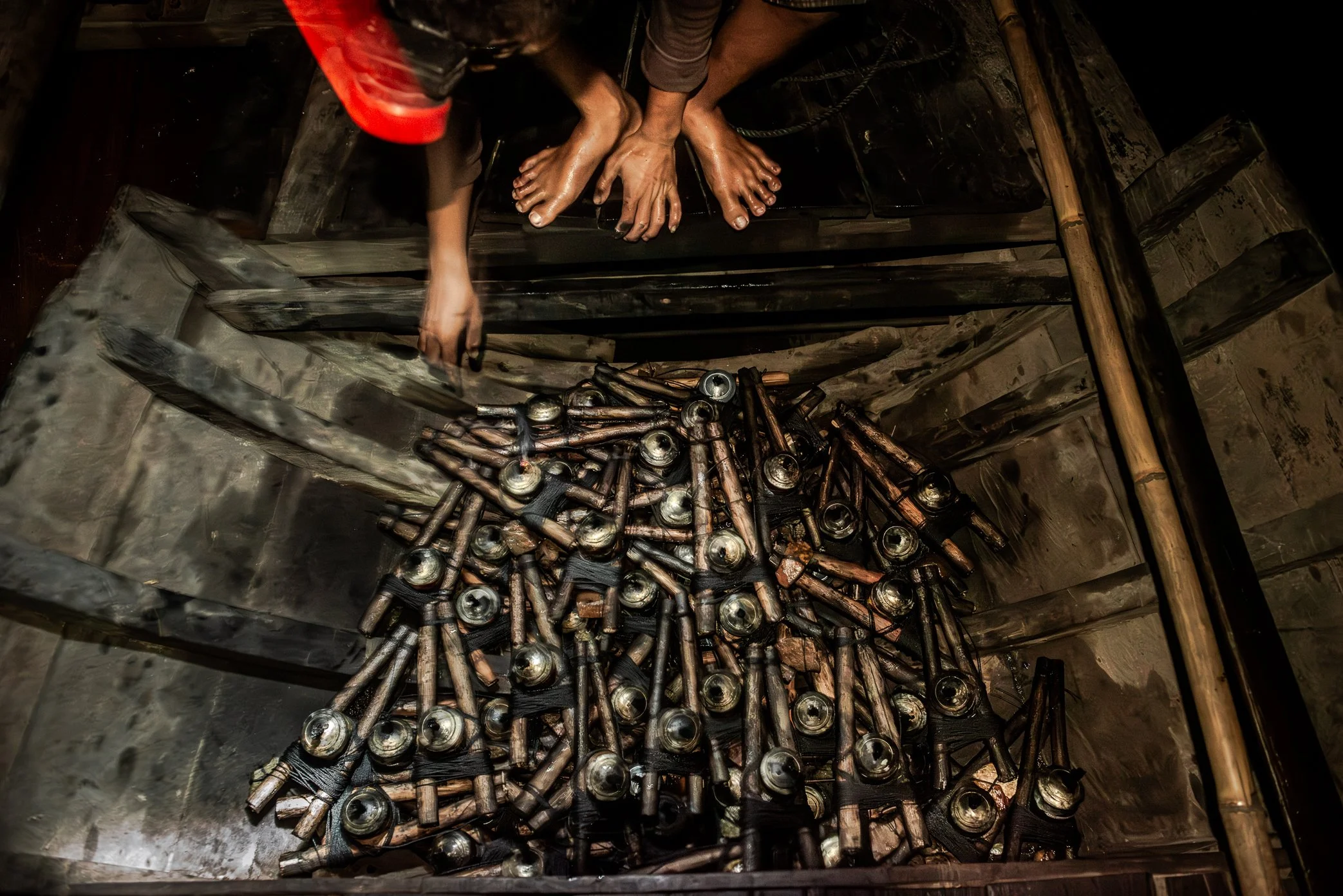
Tonle Sap, Cambodia - At night’s end on Tonle Sap, fishermen collect their oil lamps before heading back to shore. The tools of an illegal fishing method are packed away quietly - evidence of a life shaped by necessity, and of a lake under growing pressure from overfishing.
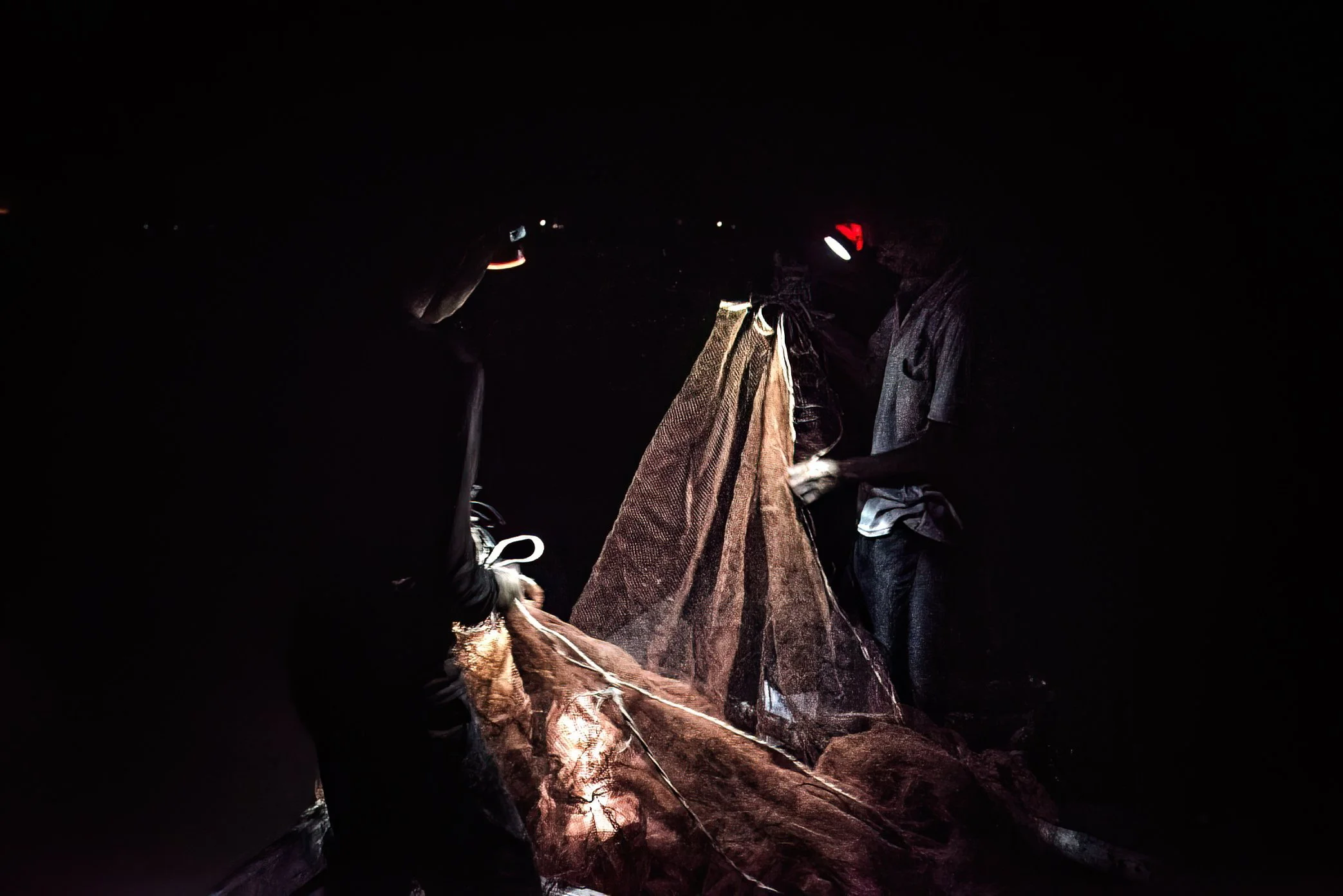
Tonle Sap, Cambodia - At the end of the night, every net is folded, every piece of gear hidden and kept in order for the next return to the lake. On Tonle Sap, survival is not improvised; it is repeated with care, night after night, inside a fragile line between necessity and the law.
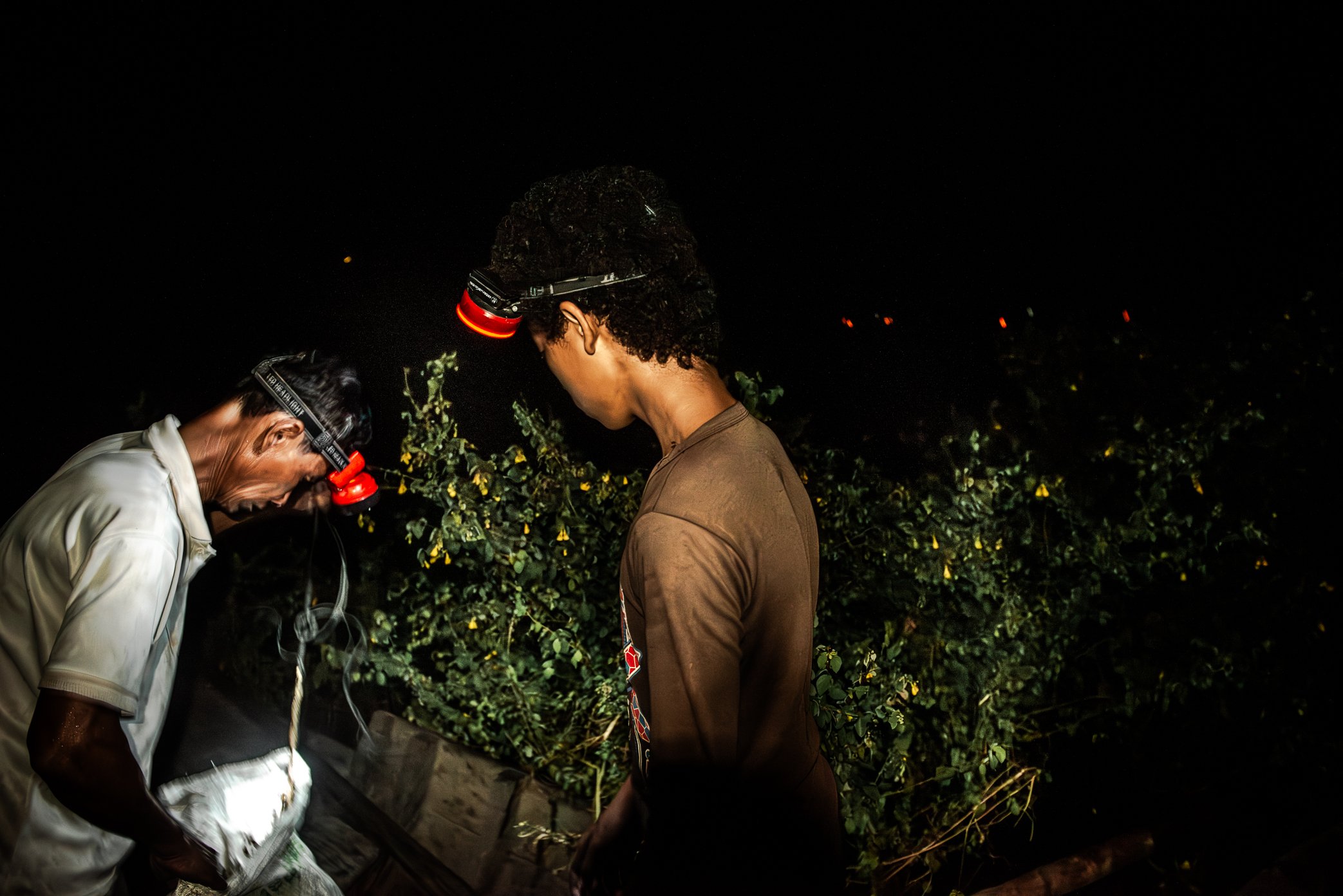
Tonle Sap, Cambodia - Illegal by law and risky to keep, the fishing gear is hidden in bushes on islands across Tonle Sap rather than brought back home. In the darkness, concealment becomes part of the routine - another sign of how survival on the lake is shaped not only by water and fish, but by secrecy as well.